
Retention and retainers
Why retainers are needed indefinitely, the types available, how to care for them, and what happens if you stop wearing one. CDZ Ortho, Johns Creek.
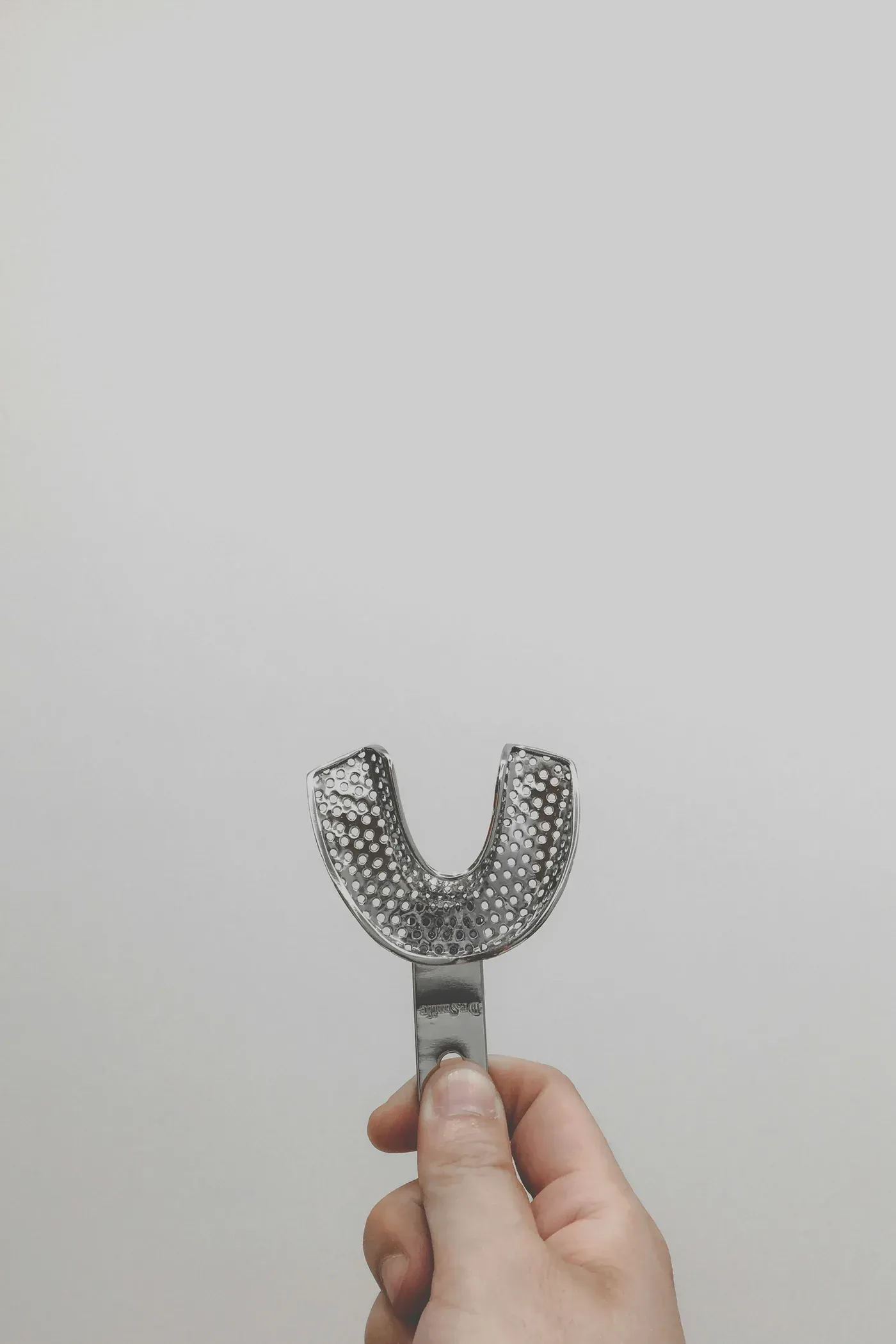
Why retention is necessary
When teeth are moved, the bone around them remodels to support the new position. That process continues for months after active treatment ends. During that period the teeth are held in place by tissue that has not fully reorganized.
The fibres in the gum that attach to each tooth also retain a memory of the previous position and pull against the correction for a long time.
Separately, teeth drift throughout life. This happens to people who never had orthodontic treatment. Lower front teeth in particular tend to crowd with age.
A retainer holds the correction against both of those forces.
How long
Indefinitely, at a reduced schedule.
Full-time wear for an initial period after treatment, then nights only. Most patients continue with nights only long term. Dr. Cen gives you the specific schedule for your case.
Stopping entirely is the most common reason adults come back for a second course of orthodontic treatment.
Types
Removable clear retainers. Molded to your teeth, similar in appearance to an aligner. Nearly invisible, easy to wear, and straightforward to clean. They wear out over a few years and need replacing. They can be lost.
Hawley retainers. An acrylic plate with a wire across the front teeth. More durable and adjustable. More visible.
Fixed retainers. A thin wire bonded behind the lower front teeth, and sometimes the upper. Nothing to remember and nothing to lose. Requires more careful cleaning, and the bond can fail without being noticed, so it needs periodic checking.
Many patients have a fixed retainer on the lower and a removable one on the upper.
Dr. Cen will recommend a combination based on your case and the movements that are most likely to relapse.
Looking after them
Rinse a removable retainer every time you take it out. Brush it gently with a soft toothbrush and no toothpaste, which is abrasive enough to scratch the plastic. Soak it periodically in a retainer cleaner.
Never use hot water. It distorts the plastic and the retainer will no longer fit.
Keep it in its case when it is not in your mouth. Retainers left in a napkin get thrown away, and retainers left out get chewed by dogs. Both are common.
Bring it to your dental check-ups so the fit can be checked.
If it stops fitting
If a retainer feels tight after not wearing it for a while, the teeth have started to move. Wear it more and call the office.
If it will not go in at all, stop trying to force it and call us. Forcing an ill-fitting retainer can move teeth in the wrong direction.
If you lose it
Call as soon as you notice. Teeth can start to shift quickly, sometimes within a week or two. A replacement is faster and cheaper than a second course of treatment.
Good questions.
Clear answers.
How long do I wear a retainer?
Indefinitely, at a reduced schedule. Full-time at first, then nights only long term.
What happens if I stop?
Teeth move. Stopping retainer wear is the most common reason adults return for a second course of treatment.
My retainer feels tight.
Your teeth have started to shift. Wear it more and call the office.
I lost my retainer.
Call as soon as you notice. Teeth can start to shift quickly, sometimes within a week or two.